Gambling myths debunked Separate fact from fiction
The Gambler’s Fallacy: Luck Over Logic
One of the most pervasive myths in the gambling world is the gambler’s fallacy, which suggests that past outcomes influence future events. Many believe that if a certain number hasn’t come up in a while, it is “due” to appear. This misconception can lead players to make irrational bets based on previous results, ignoring the fact that each event is statistically independent. In reality, games like roulette or slots operate on random number generators, making every spin or roll entirely separate from the last. Understanding the emotional triggers behind gambling, such as the belief in luck, can significantly help players make more informed decisions. For more detailed insights, visit https://www.inexoos.com/exploring-the-emotional-triggers-behind-gambling/.
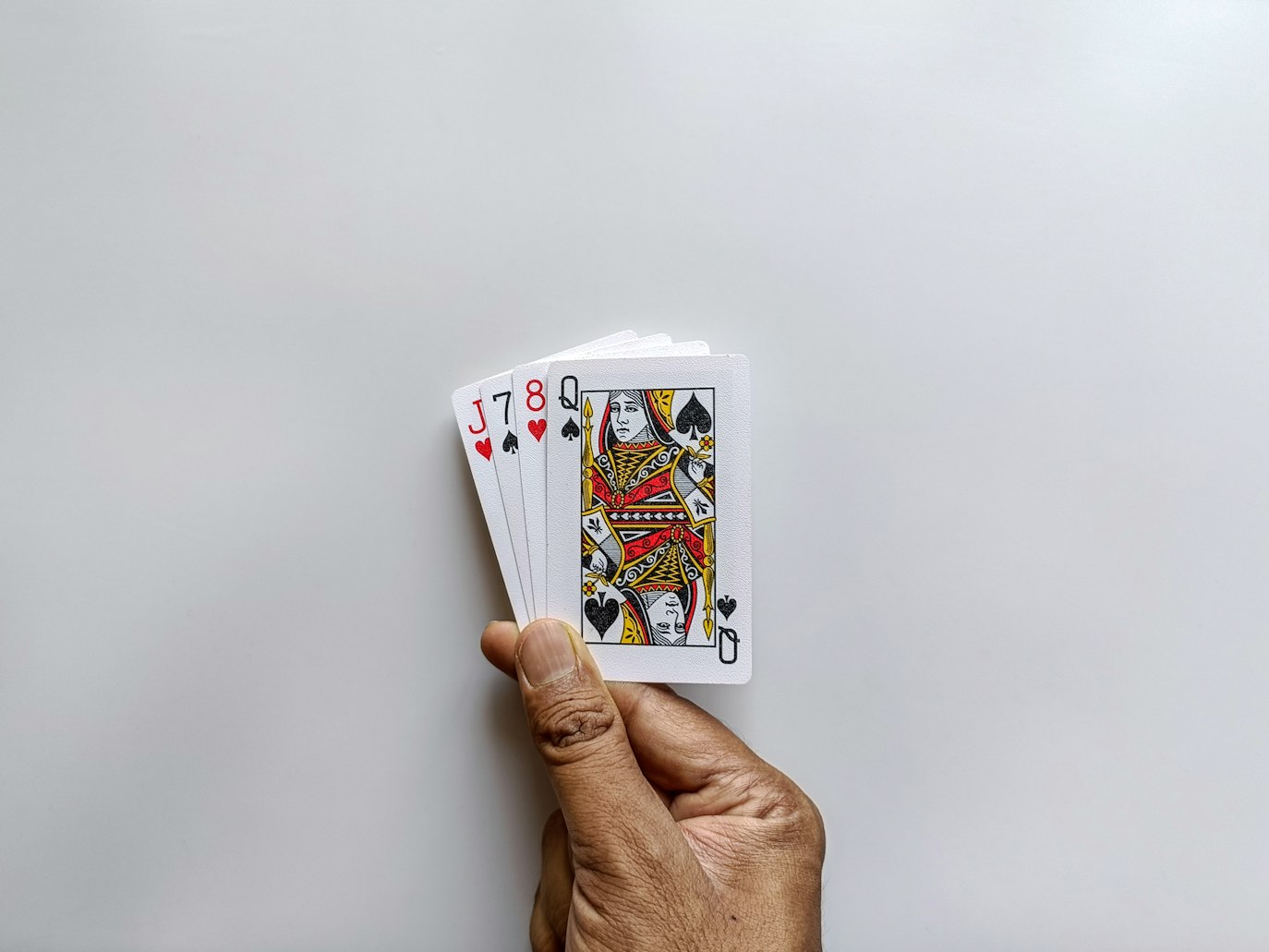
This myth can significantly affect a gambler’s decision-making process. Players may become overly confident or anxious based on perceived patterns, which can escalate their gambling behavior. Understanding that luck does not follow a predictable pattern is essential for fostering a healthier gambling mindset.
Skill vs. Luck: The Game of Chance
Another common belief is that gambling is predominantly a game of skill, especially in games like poker. While there are indeed elements of skill involved, such as strategy and psychology, the role of luck cannot be overstated. Even the most skilled players will experience losing streaks due to the inherent randomness of the game. This misconception can lead novice players to overestimate their abilities and contribute to reckless gambling behavior.
It’s crucial to acknowledge that even in skill-based games, luck plays a significant role. This understanding encourages players to approach gambling with a balanced mindset, recognizing both their skills and the unpredictable nature of chance.
The Illusion of Control: Betting Strategies
Many gamblers hold the belief that specific betting strategies can guarantee wins. This illusion of control can lead to excessive betting and chasing losses. Common strategies like the Martingale system promise that players can recover losses by doubling their bets, but this method often results in significant financial risk without any real guarantee of success. The reality is that no strategy can change the odds of a game, which are designed to favor the house in the long run.
Understanding the limitations of betting strategies can help gamblers make more informed decisions. Recognizing that gambling should primarily be viewed as entertainment, rather than a reliable way to make money, is crucial for maintaining a healthy perspective on the activity.
Social Norms and Stigma: The Gambler’s Image
Society often portrays gamblers in a negative light, perpetuating stereotypes of addiction and irresponsibility. This stigma can create barriers for individuals seeking help for gambling-related issues. Many are reluctant to discuss their gambling habits or seek support due to fear of judgment, which can exacerbate existing problems and lead to a cycle of shame.
Promoting an open dialogue about gambling can help dismantle these myths. By recognizing that gambling affects a wide range of individuals and that seeking help is a sign of strength, we can foster a more supportive environment for those struggling with gambling-related challenges.

Inexoos: Promoting Responsible Gambling
At Inexoos, we aim to provide insights into the psychology of gamblers, helping individuals differentiate between myths and reality. Our articles delve into emotional triggers, social interactions, and the impact of stress on gambling behavior. By shedding light on these factors, we promote a deeper understanding of responsible gaming practices.
Our goal is to empower users with the knowledge they need to make informed choices about gambling. By highlighting the importance of awareness and self-regulation, Inexoos fosters a safer gaming environment and supports healthier gambling habits for everyone.